Yes, air scrubbers really work—but how well depends on the type of scrubber, what you're trying to remove, and whether it's matched to your space. High-quality air scrubbers with HEPA filtration can capture 99.97% of airborne particles 0.3 microns or larger, including dust, mold spores, pet dander, and smoke. Models with activated carbon also remove odors and VOCs. However, not all air scrubbers are equally effective, and some—particularly ozone-generating models—carry real health risks. This guide breaks down what the evidence actually says about air scrubber performance, what they can and can't do, and how to pick the right one.
An air scrubber is a device that draws air through one or more filtration stages to remove contaminants before recirculating the cleaned air back into the room. The term is used to describe two distinct categories of products that work very differently:
Standalone units used in homes, offices, or job sites. They pull room air through a series of filters—typically a pre-filter, a HEPA filter, and sometimes an activated carbon layer—and expel clean air back into the space. These are the most common type for residential and light commercial use.
Installed directly into a home's ductwork, these units treat air as it circulates through the heating and cooling system. Products like the RGF REME HALO or ActivePure use UV-C light and photocatalytic oxidation (PCO) to neutralize contaminants throughout the entire home rather than one room at a time.
Both types target airborne pollutants, but through different mechanisms. Understanding this distinction matters because effectiveness, cost, and appropriate use cases vary significantly between them.
The contaminants an air scrubber removes depend entirely on which filtration technologies it uses. Here's a breakdown of what each stage addresses:
| Filtration Stage | What It Removes | Effectiveness |
|---|---|---|
| Pre-filter | Large particles: dust, hair, lint | High for visible particles |
| True HEPA filter | Particles ≥0.3 microns: mold spores, pollen, pet dander, bacteria, PM2.5 | 99.97% capture rate (certified) |
| Activated carbon | Odors, VOCs, smoke gases, formaldehyde | Good; depends on carbon weight |
| UV-C light | Bacteria, viruses, mold spores | Moderate; requires sufficient exposure time |
| Photocatalytic oxidation (PCO) | VOCs, bacteria, viruses, odors | Variable; some models produce ozone as byproduct |
| Ionizer | Particles (charge them to fall from air) | Moderate; particles settle on surfaces, not removed |
The most important distinction: HEPA filtration physically captures and removes particles from the air, while ionizers and some PCO systems only move particles or chemically alter them without extracting them. Only HEPA units have the particle actually leave the air permanently.
The research on air scrubber effectiveness is more nuanced than marketing claims suggest. Here's what credible studies and organizations report:
HEPA-based air scrubbers have a well-documented track record. The U.S. Environmental Protection Agency (EPA) confirms that certified HEPA filters remove at least 99.97% of particles at 0.3 microns—the most penetrating particle size. Studies in clinical settings have shown HEPA air scrubbers reduce airborne fungal spore counts by 50–90% in operating rooms and isolation wards. A 2018 study published in the journal Indoor Air found that portable HEPA air purifiers reduced PM2.5 levels in homes by an average of 45–55% over 24-hour periods.
For allergy sufferers, air scrubbers reduce airborne allergen loads significantly, but they don't eliminate symptoms entirely. That's because allergens like pet dander and dust mite particles also settle on furniture, bedding, and floors—surfaces an air scrubber can't reach. Studies show HEPA air purifiers reduce airborne cat allergen concentrations by 30–50% in typical room settings, which is clinically meaningful but not a complete solution without regular cleaning.
Activated carbon air scrubbers effectively adsorb odors and volatile organic compounds (VOCs), but performance varies dramatically by carbon quantity. Budget units may contain only 1–2 ounces of carbon—enough to provide mild odor control. Professional-grade activated carbon filters contain 5–15 pounds of granular carbon and provide substantially better VOC removal. The EPA notes that carbon filters are most effective for organic compounds but less effective for gases like nitrogen dioxide or carbon monoxide.
HEPA filters do capture virus-carrying aerosol particles. Research during the COVID-19 pandemic showed that HEPA air purifiers in classrooms reduced airborne viral particle concentrations by up to 90% when units were appropriately sized for the room. UV-C additions can inactivate pathogens, but only particles that pass directly in front of the lamp are treated—effectiveness depends heavily on airflow rate and lamp intensity.
The terms "air scrubber" and "air purifier" are often used interchangeably in consumer marketing, but there are meaningful distinctions—especially in professional contexts.
| Feature | Professional Air Scrubber | Consumer Air Purifier |
|---|---|---|
| Airflow capacity (CFM) | 500–2,000+ CFM | 50–400 CFM |
| Primary use case | Construction, remediation, industrial | Home and office air quality |
| Filter replacement cost | $50–$200+ per cycle | $20–$80 per year |
| Unit cost | $500–$3,000+ | $50–$600 |
| Portability | Heavy-duty, industrial wheels | Lightweight, room-to-room |
| Negative air capability | Yes (duct to exterior) | No |
For most homeowners, a high-quality consumer air purifier with true HEPA filtration accomplishes the same goals as a residential air scrubber. Professional air scrubbers are overkill for everyday home use but essential for post-flood remediation, asbestos abatement, or major renovation work.
When evaluating whether an air scrubber will really work for your space, the most reliable metric is CADR—Clean Air Delivery Rate. Measured in cubic feet per minute (CFM), CADR tells you how much clean air the unit produces per minute for three specific pollutant types: smoke, dust, and pollen.
The Association of Home Appliance Manufacturers (AHAM) recommends that your air scrubber's CADR rating be at least two-thirds of your room's square footage. For a 300 sq ft room, you need a CADR of at least 200 CFM. Here's a practical reference:
| Room Size | Minimum CADR (CFM) | Air Changes Per Hour (ACH) |
|---|---|---|
| 150 sq ft (small bedroom) | 100 CFM | 4–5 ACH |
| 300 sq ft (large bedroom) | 200 CFM | 4–5 ACH |
| 500 sq ft (open living area) | 333 CFM | 4–5 ACH |
| 800 sq ft (large open plan) | 533 CFM | 4–5 ACH |
An air scrubber that's too small for the room is one of the most common reasons people conclude that air scrubbers "don't work." Undersizing by 50% can reduce effective pollutant removal by a similar margin.
Air scrubbers deliver the most measurable benefit in specific situations. If your needs match these scenarios, the evidence strongly supports their effectiveness:
Understanding the limits of air scrubbers is just as important as knowing their strengths. Mismatched expectations are the primary source of disappointment with these devices.
Some air scrubbers and "air purifiers" use ozone generation as their primary cleaning mechanism. These are sold with claims that ozone destroys odors, bacteria, and mold. The EPA, FDA, and California Air Resources Board all warn against using ozone generators in occupied spaces.
Ozone (O₃) is a lung irritant. At concentrations needed to effectively neutralize contaminants, ozone exceeds safe exposure limits for humans and pets. Concentrations above 0.07 ppm (the EPA's 8-hour standard) can cause chest pain, coughing, and worsen asthma. Many ozone-generating devices marketed as air scrubbers produce levels far exceeding this threshold.
If an air scrubber product prominently markets "ozone" or "activated oxygen" as a feature for occupied rooms, treat this as a red flag. HEPA and activated carbon systems achieve real air cleaning without the health risks associated with ozone.
Based on what the evidence shows, here are the criteria that separate effective air scrubbers from underperforming ones:
Air scrubbers with true HEPA filtration are among the most evidence-backed tools available for improving indoor air quality. The science is clear: correctly sized HEPA air scrubbers genuinely reduce airborne particles, allergens, mold spores, smoke, and in many cases bacteria and viruses. The failure cases—units that disappoint users—almost always trace back to three problems: buying a unit too small for the room, purchasing a device without true HEPA certification, or expecting an air scrubber to solve source-level problems it was never designed to address.
For most people dealing with allergies, asthma, pet dander, smoke, or general indoor air quality concerns, a $100–$300 true HEPA air scrubber correctly sized for the room will deliver real, measurable improvement. It won't solve every air quality problem, but as part of a broader strategy that includes source control and regular cleaning, it is a genuinely effective tool—not marketing hype.
3단계 여과: 공기 세정기는 사전 필터(MERV-10), 탄소 필터 및 H13 HEPA 필터를 포함하는 3단계 여과 시스템을 갖추고 있습니다. 먼지, 꽃가루, 연기, 냄새를 효과적으로 제거하는 동시에 0.3 마이크론만큼 작은 입자를 99.97% 잡아냅니다. 이를 통해 실내공기질이 빠르게 개선되어 더욱 쾌적한 생활환경을 만들어드립니다. 사용자 친화...
세부 정보 보기
AM-B01 고풍량 얇은 카펫 건조기에는 다량의 기류를 생성하는 강력한 모터가 장착되어 있어 카펫이 철저하고 빠르게 건조됩니다. 이러한 높은 공기량은 수분 증발을 가속화할 뿐만 아니라 카펫 섬유 깊숙이 침투하여 습기가 들어올 공간을 남기지 않습니다. 세련되고 컴팩트한 이 기계는 좁은 공간에도 쉽게 장착할 수 있으며 카펫의 특정 영역을 효과적으로 겨냥할...
세부 정보 보기
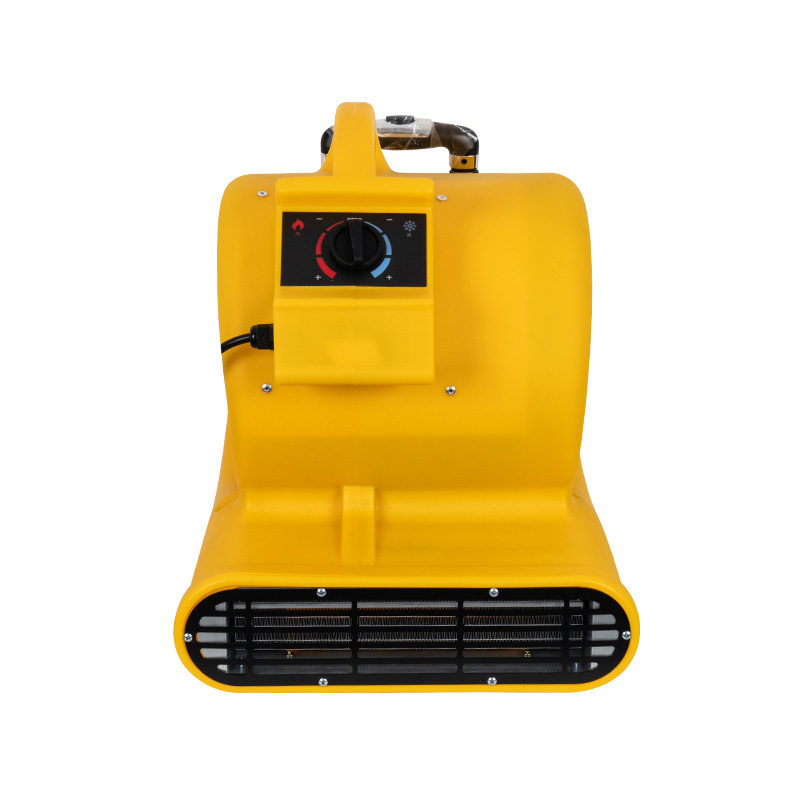
AM-A01 뜨겁고 차가운 카펫 건조 팬은 뜨거운 공기와 차가운 공기를 활용하여 카펫 건조 과정의 속도를 높이도록 설계된 다용도 장치입니다. 뜨거운 공기 순환과 차가운 공기 순환의 이점을 결합한 이 혁신적인 팬에는 많은 양의 공기를 생성하는 강력한 모터가 장착되어 있어 뜨거운 공기와 차가운 공기가 카펫 표면에 고르게 분산됩니다. 이러한 포괄적인 공기 ...
세부 정보 보기
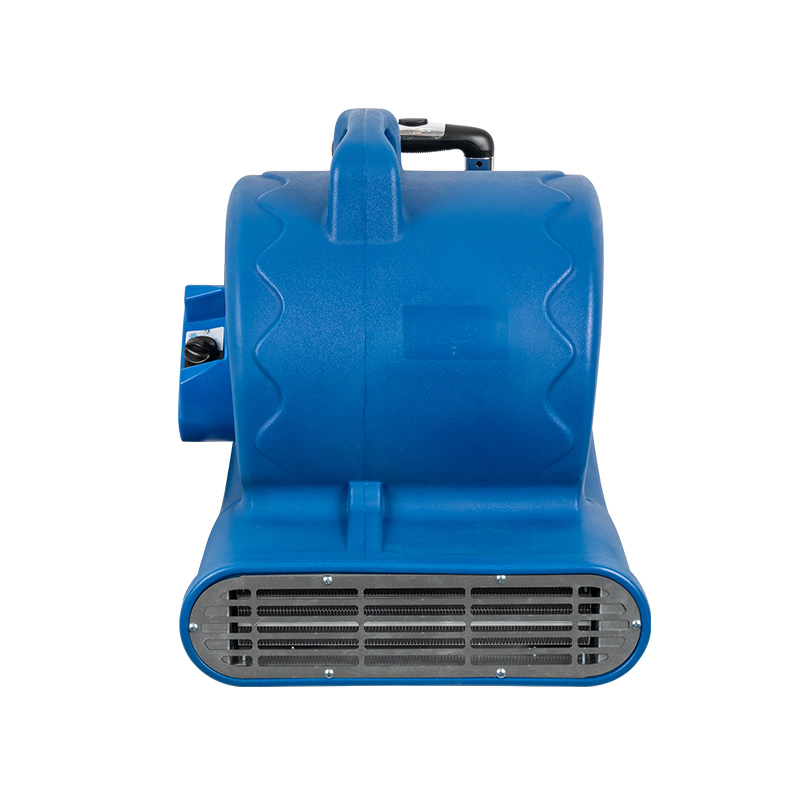
AM-A02 다중 날개 원심 바람 휠 카펫 건조기는 다중 날개 원심 바람 휠 기술을 사용하여 더욱 빠르고 효율적인 카펫 건조를 위해 풍력과 기류를 효과적으로 증가시킵니다. 여러 개의 에어 블레이드를 세심하게 배치한 원심 윈드 휠은 높은 회전 속도에서 강력한 공기 흐름을 생성할 수 있습니다. 이 디자인은 팬의 효율성을 향상시킬 뿐만 아니라 공기 흐름을 ...
세부 정보 보기
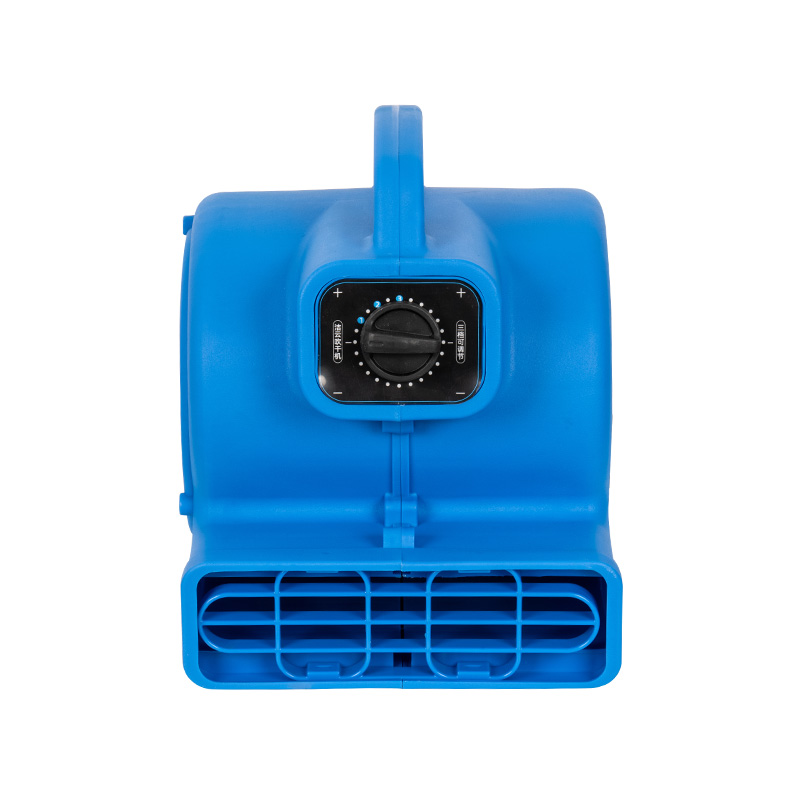
AM-A03 소형 축형 바닥 카펫 건조기는 보다 빠른 표면 건조를 위한 원심 공기 이동 장치를 갖춘 매우 효율적이고 다양한 건조 장치입니다. 카펫, 바닥, 가구, 창문, 벽 등의 건조에 적합할 뿐만 아니라 환풍기 역할도 하며 실내 공기 순환을 높여줍니다. 이 제품은 세 가지 속도와 세 가지 작동 위치(0°, 20°, 90°)로 독특하게 설계되어 다양한...
세부 정보 보기
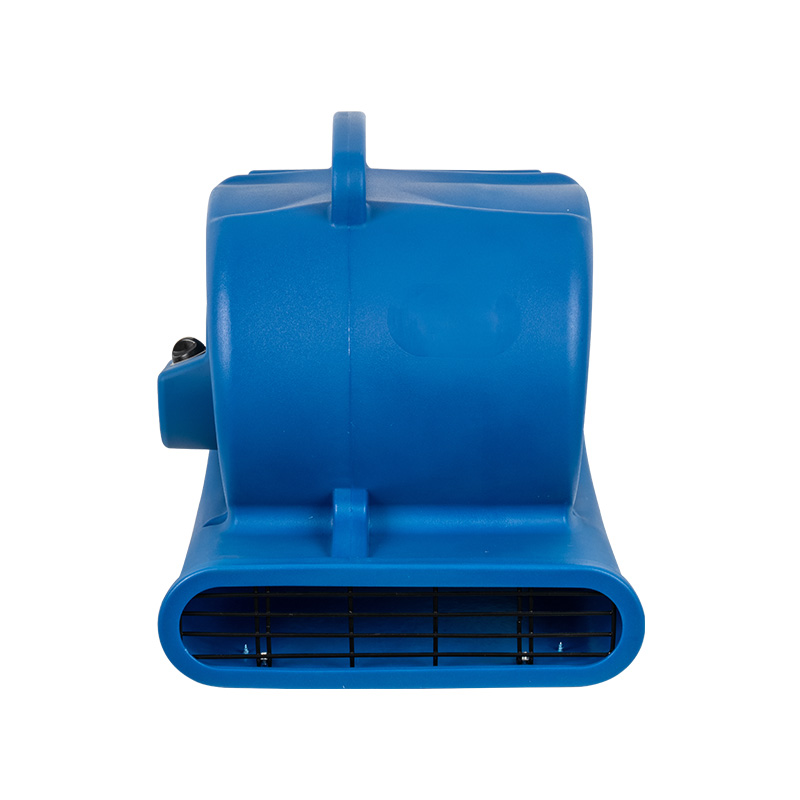
AM-A04 경량 휴대용 카펫 벽 바닥 건조기는 더 빠른 표면 건조 결과를 위한 고급 원심 공기 이동 기술을 갖추고 있습니다. 다양한 카펫, 바닥, 가구, 창문, 벽 건조 작업에 적합할 뿐만 아니라 환기 및 실내 공기 순환을 증가시키도록 특별히 설계되었습니다. AM-A04 바닥 건조기는 다양한 환경과 건조 요구 사항에 맞게 사용자가 조정할 수 있...
세부 정보 보기매장정보
중국 절강성 소흥시 성저우시 싼장 거리 웨신로 88호
+86-13819532379
모래밭
제품
모바일 단말기